The short answer
The best media for a game launch is the mix that moves your players from first hearing about the game to buying it, in the markets that matter to you. A practical way to plan it: start with what the market does as standard, look at the factors that move it for your title (platform, genre, audience, markets, timing and budget), then decide where your launch should land.
Start with the platform
In Europe, smartphones and tablets take 49% of games revenue, consoles 30% and PC 12%, and 91% of all revenue is digital.[1] A mobile launch lives or dies on app-store performance and social; a PC launch on Steam wishlists and creators; a console launch on platform-holder features, trailers and broad reach.
The channels, and what each one is for
| Channel | Best for | Watch out for |
|---|---|---|
| Showcases and events | Reveals and big news moments with global reach | Slots are competitive; you need follow-up content ready |
| Creators and YouTube | Discovery, trust and showing real gameplay | Fit with the creator's audience matters more than follower count |
| Platform and store | Converting interest into wishlists and sales | Store pages and capsule art must be localised and tested |
| Paid social and search | Targeted reach, retargeting and pre-orders | Creative wears out quickly; plan refreshes |
| PR and reviews | Credibility, review scores and mainstream coverage | Review timing and embargoes need careful planning |
| Out of home and stunts | Making a launch feel big; earning coverage | Works best when the idea is designed to be photographed and shared |
| TV, CTV and video on demand | Mass reach for broad-appeal titles | Higher entry cost; best for titles with wide audiences |
Showcases and events
Major showcases now deliver audiences on the scale of TV. gamescom's Opening Night Live reached 72 million viewers in 2025,[2] and Summer Game Fest reported more than 50 million livestream viewers, with a peak of more than 3 million watching at once.[3] A showcase slot is only the start: plan the trailer, creator access, press interviews and paid support that follow it.
Creators and video
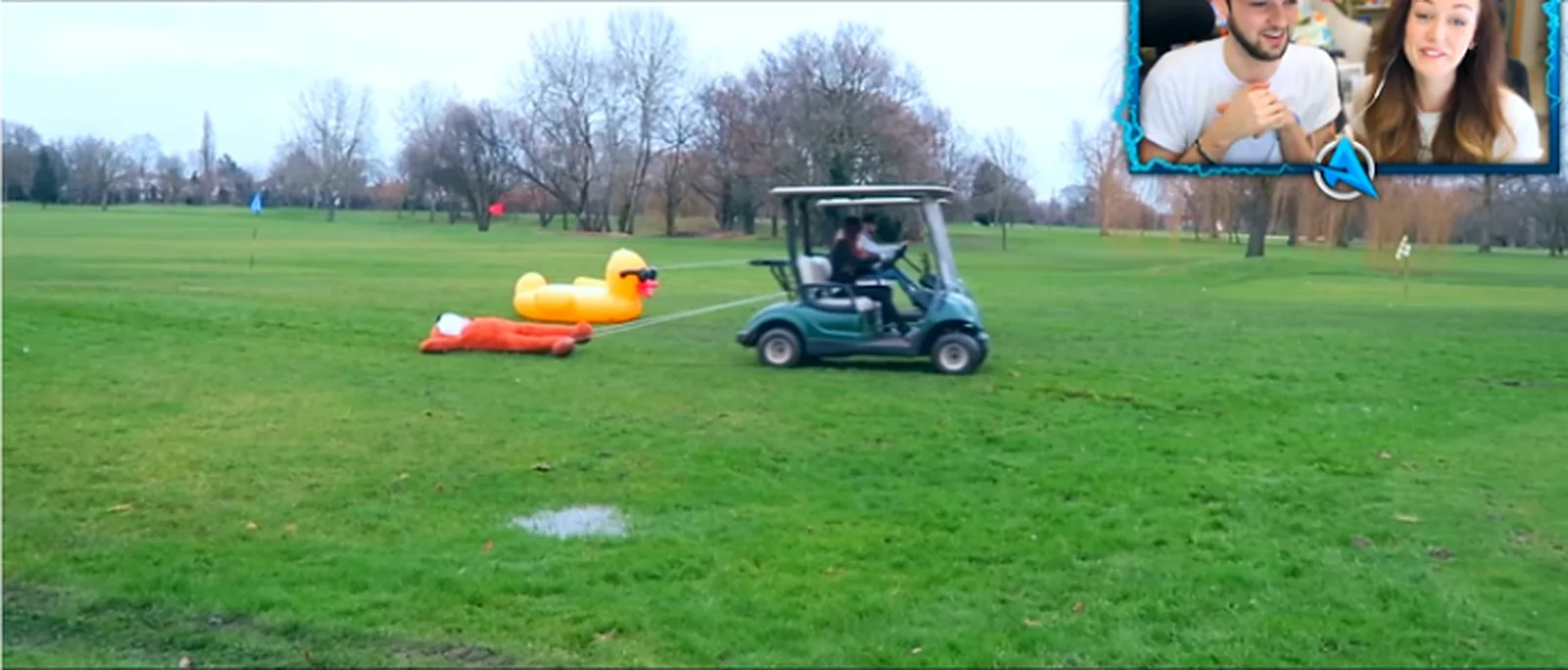
Video platforms are where most players find new games. In a 2024 survey of 1,009 US players, 64% said they discover new games on YouTube, 38% on TikTok and 36% on Instagram, ahead of friends (34%) and advertising (32%).[4] It is a US sample, so treat it as a direction rather than a European figure, but it matches what we see in campaigns. On Scribblenauts, real-life challenge content with YouTuber Ali-A delivered more than 1.2 million engagements; on Elden Ring, more than 150 creator videos drove over 12 million views.
Platform and store
With nine in ten euros spent digitally, the store page is where the sale happens. For PC titles, wishlists are the key early signal, and events such as Steam Next Fest are a proven way to build them; Valve publishes guidance for participants.[5] Every other channel should point here.
PR and reviews
PR turns a launch into a story the mainstream will cover. For Little Nightmares II, we secured 87 pieces of mainstream coverage; for Elden Ring, a reviews programme delivered 61 reviews including IGN 10/10 and The Guardian 5 stars.
Out of home and stunts
Out of home makes a launch feel like an event, especially in capital cities. It works hardest when the idea is built to be photographed and shared: the Fatal Fury bus takeovers in London and Paris, the Elden Ring Piccadilly Circus campaign in launch week, or the Batman: Arkham Knight Cape and Cowl exhibition, which drew more than 6,000 visitors in six days.
TV, CTV and video on demand
For titles with broad appeal, TV and connected TV add mass reach and the feel of a major release. They suit franchises and family titles more than niche genres. Buy them alongside digital, so you can retarget people who have seen the TV spot.
How to decide the mix
Give each channel a job and a measure. Reveal and reach channels are judged on audience and engagement; consideration channels on wishlists and follows; conversion channels on pre-orders and sales. Then shift budget as the results come in.
Frequently asked questions
What is the best channel to market a video game?
There is no single best channel. Most successful launches combine showcases or events for reach, creators and video for discovery, the store page for conversion, PR for credibility, and paid social or out of home to scale. The mix depends on platform, audience, markets and budget.
Are influencers worth it for a game launch?
Usually, yes. Video platforms lead game discovery: in one 2024 US survey, 64% of players said they find new games on YouTube. Choose creators whose audience fits your game rather than those with the most followers.
When should you use TV or out of home for a game?
When the game has broad appeal or you need the launch to feel like a major event. Out of home works best when the idea is designed to earn coverage and social sharing, not just to be seen.
Sources
- Video Games Europe, 2025 All About Video Games: European Key Facts
- PocketGamer.biz, gamescom 2025 concludes with 357,000 visitors from 128 countries
- VGC, Summer Game Fest reports highest-ever viewership
- GameDev Reports, Big Games Machine: How People Discover New Games in 2024 (US survey, 1,009 players)
- Steamworks Documentation, Steam Next Fest